Skorve 18-L1/3
 FINTUR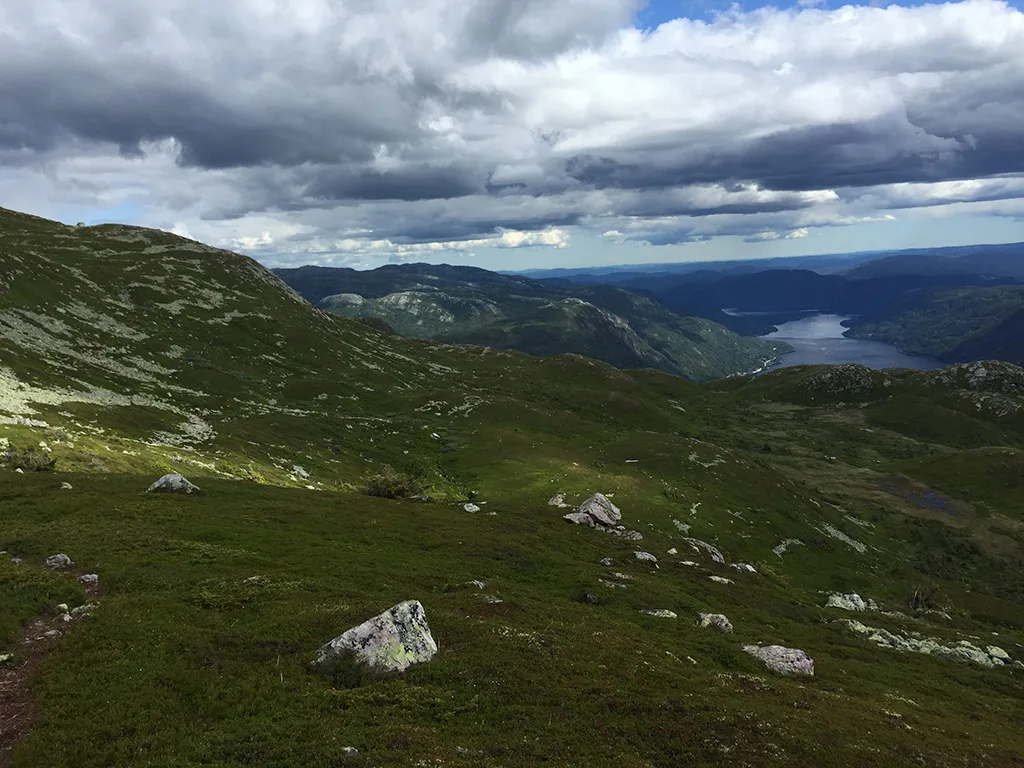
Weather forecast
Hentar vêrdata…
Kjelde: Yr.no (Meteorologisk institutt)
Map and route
About this hike
Description:
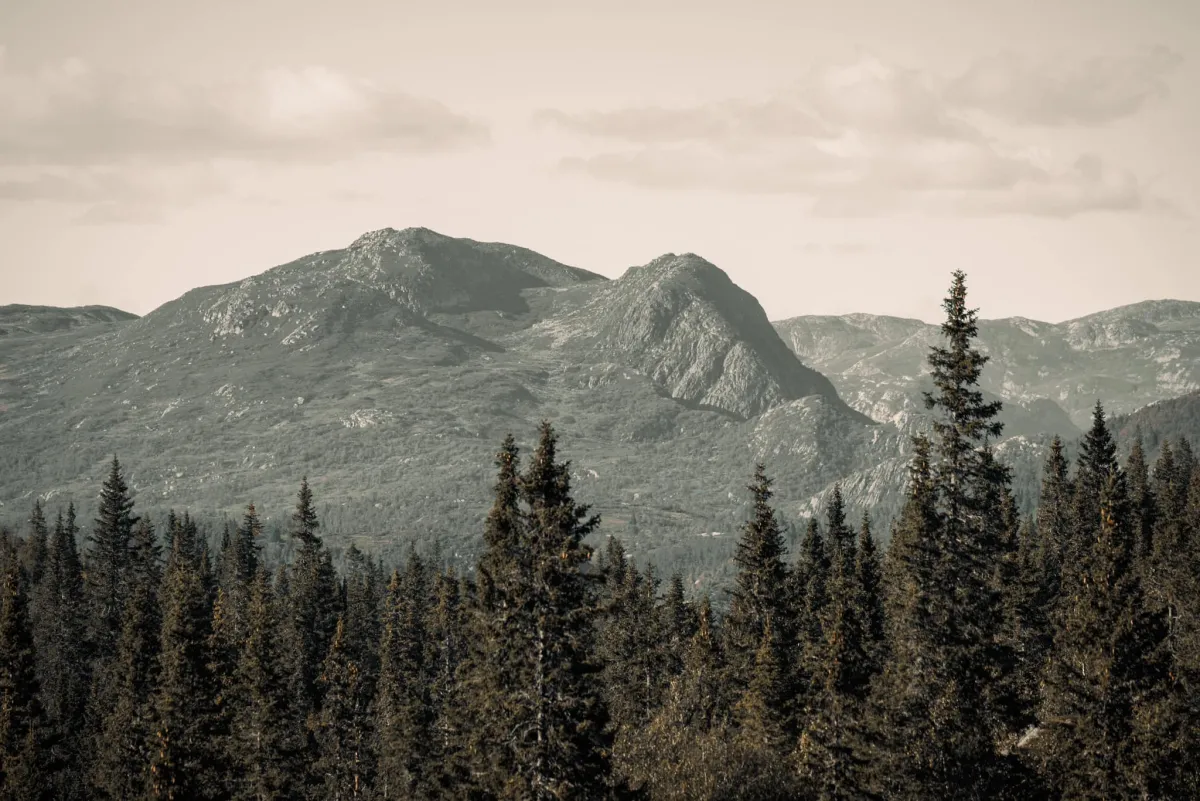
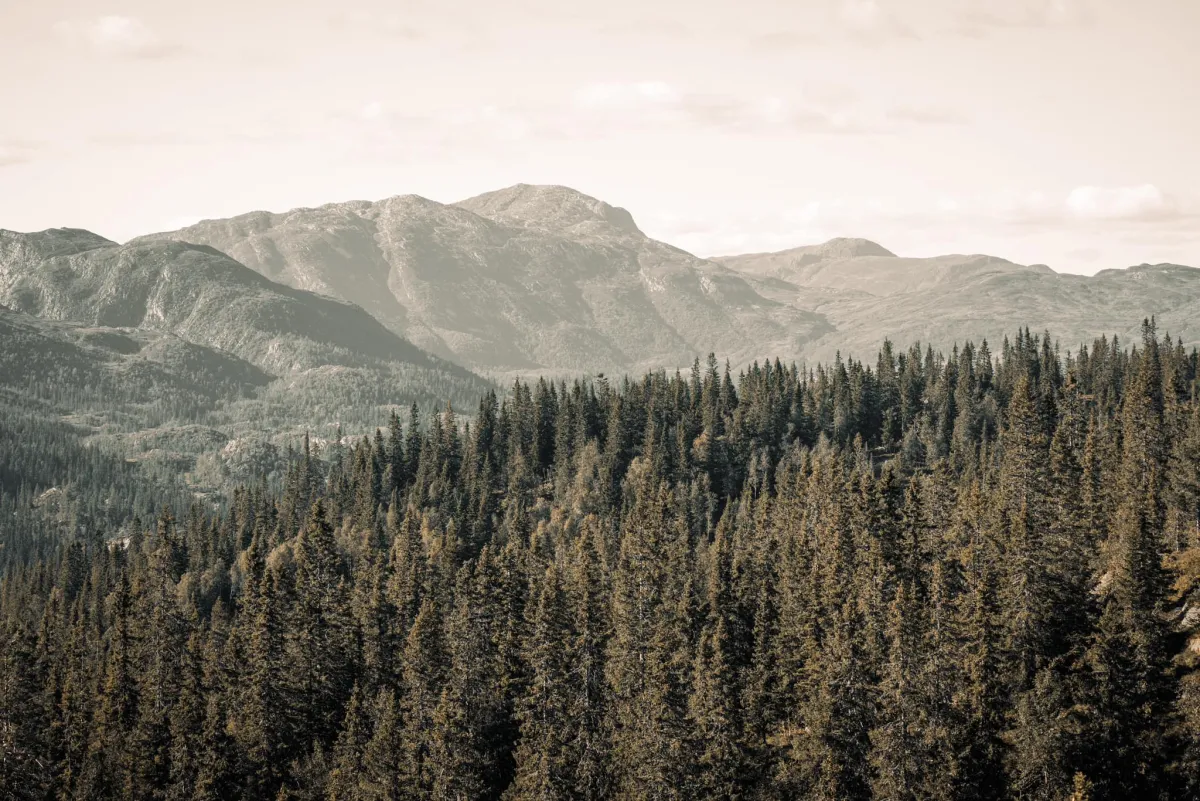
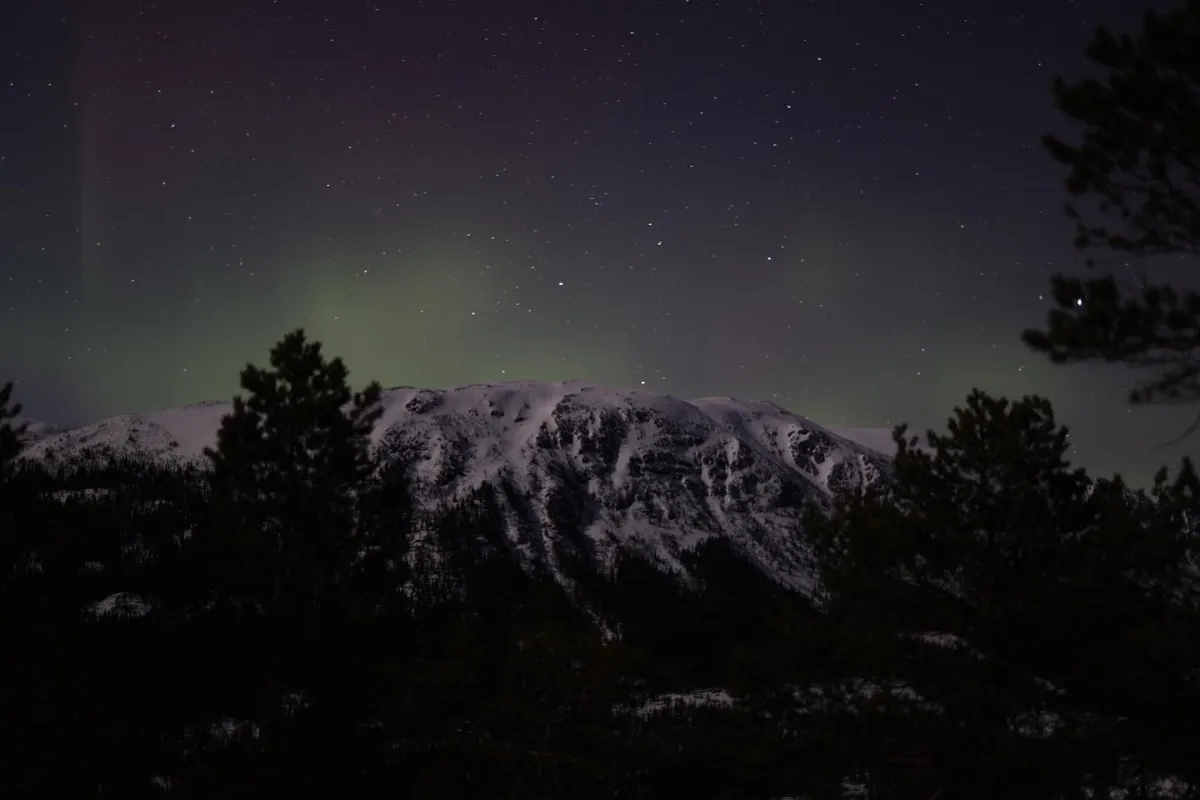
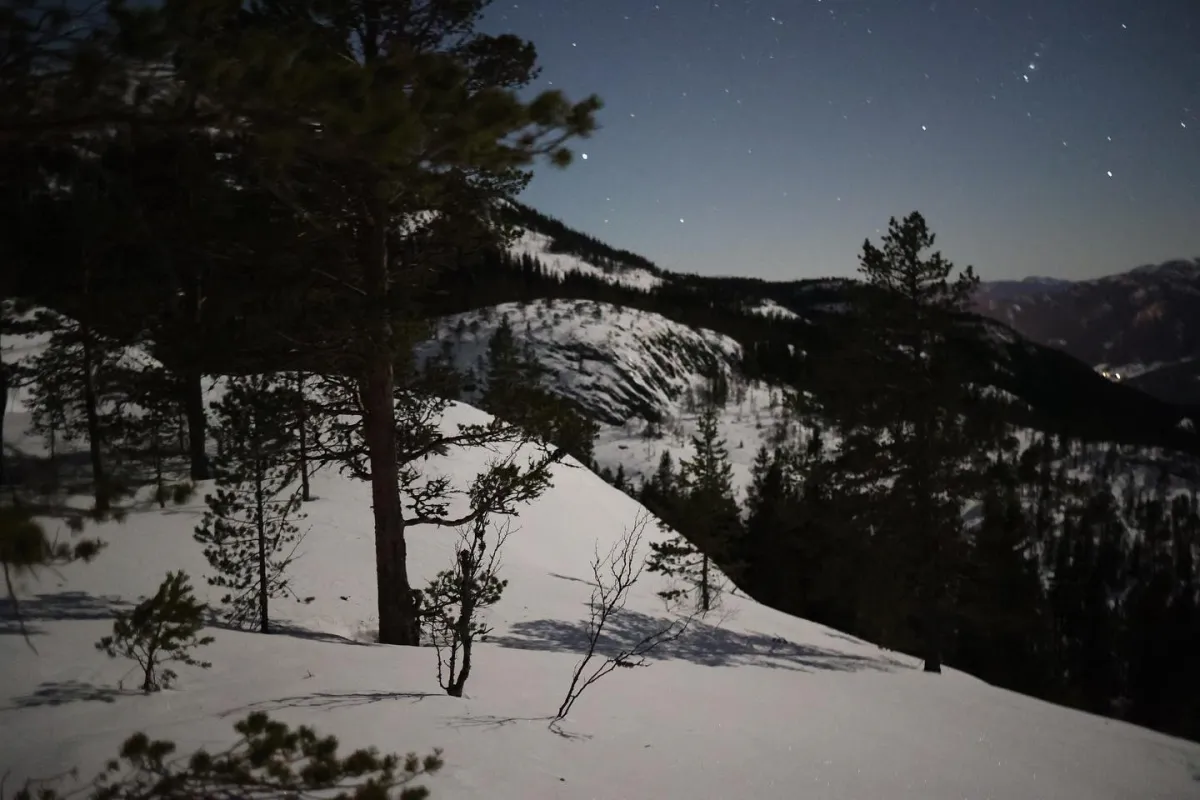
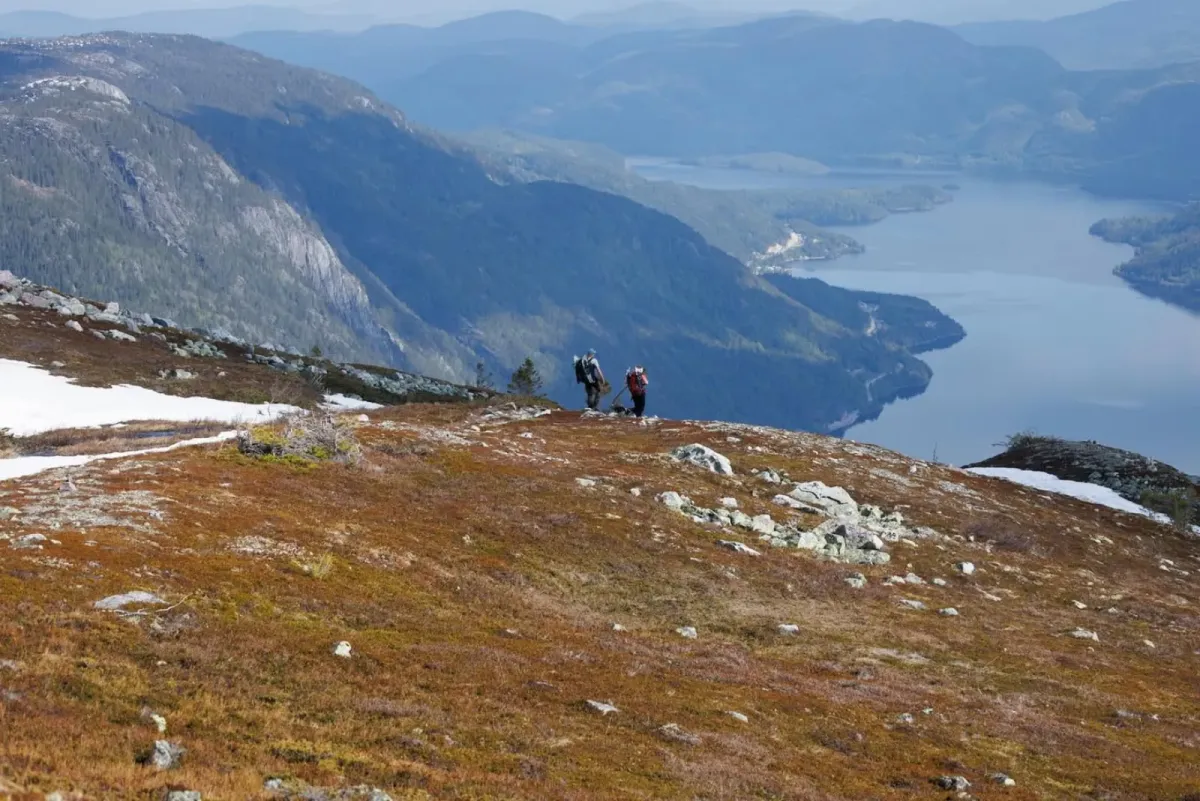
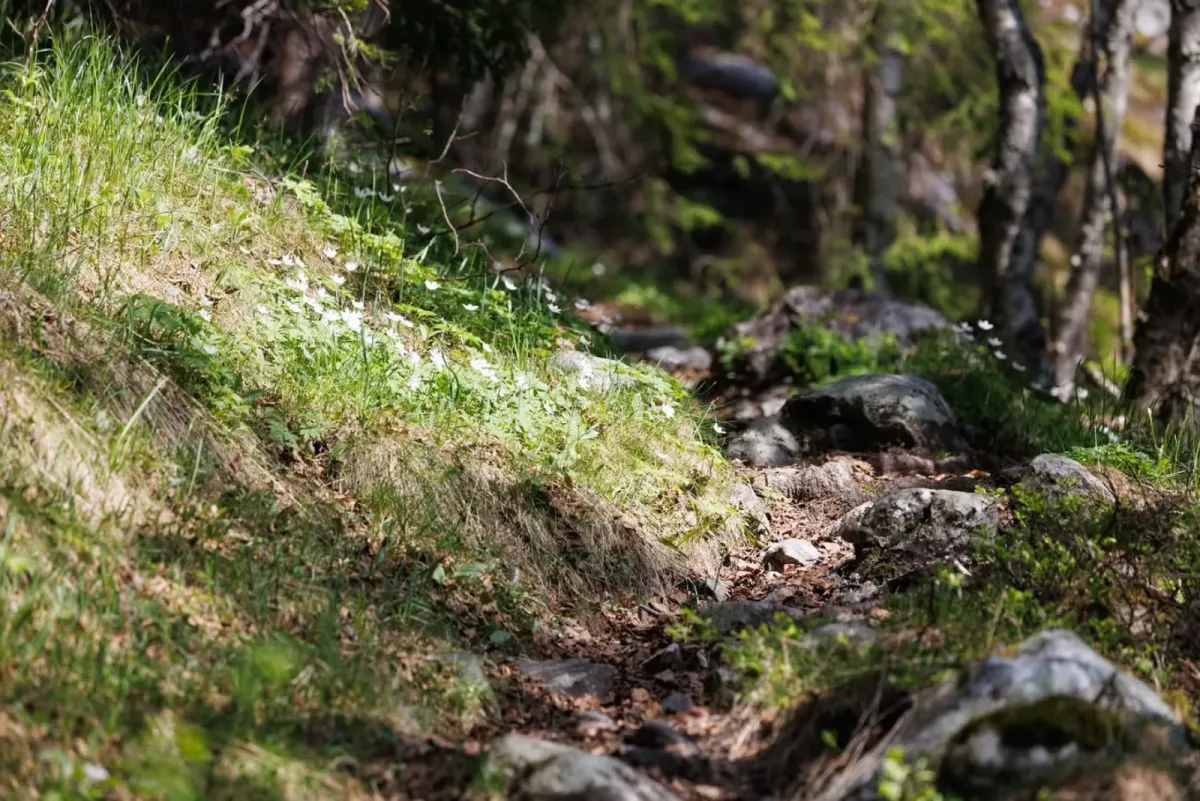
Kivledalen - Gøysen - Nordnibba - American plane wreck - Kivledalen.
Photos (43)



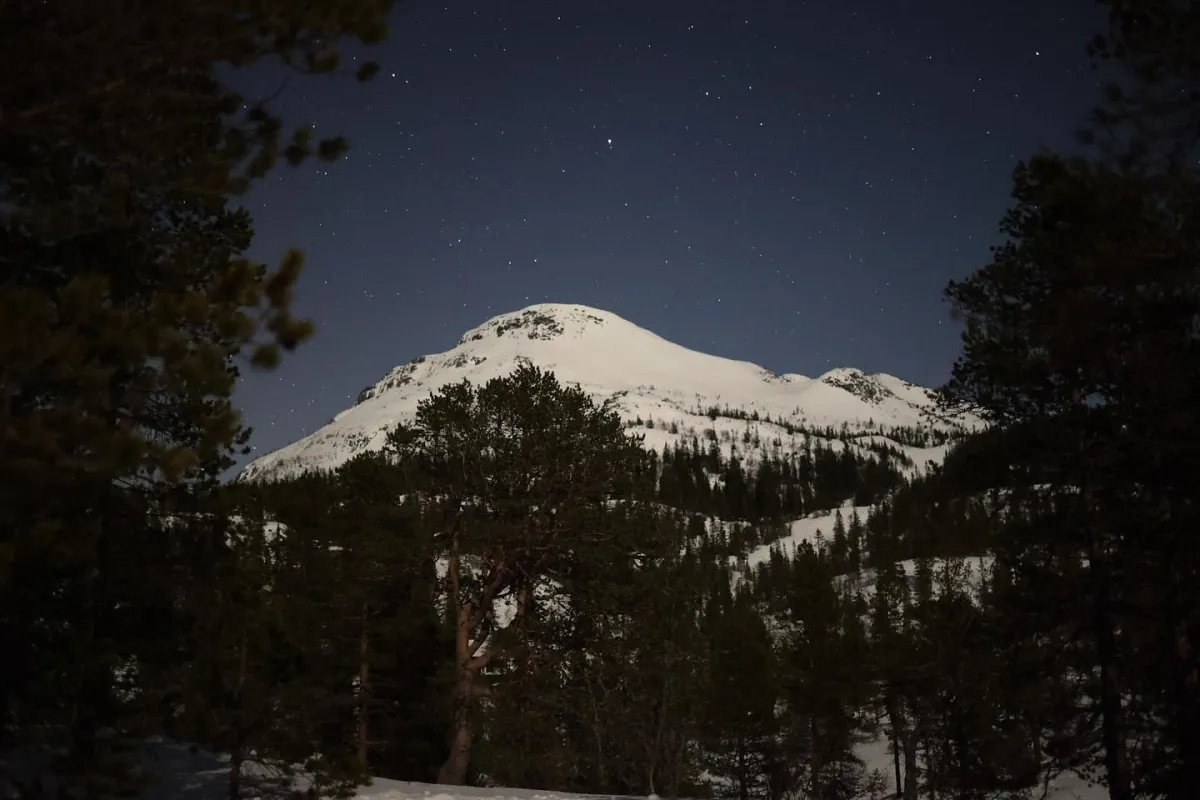

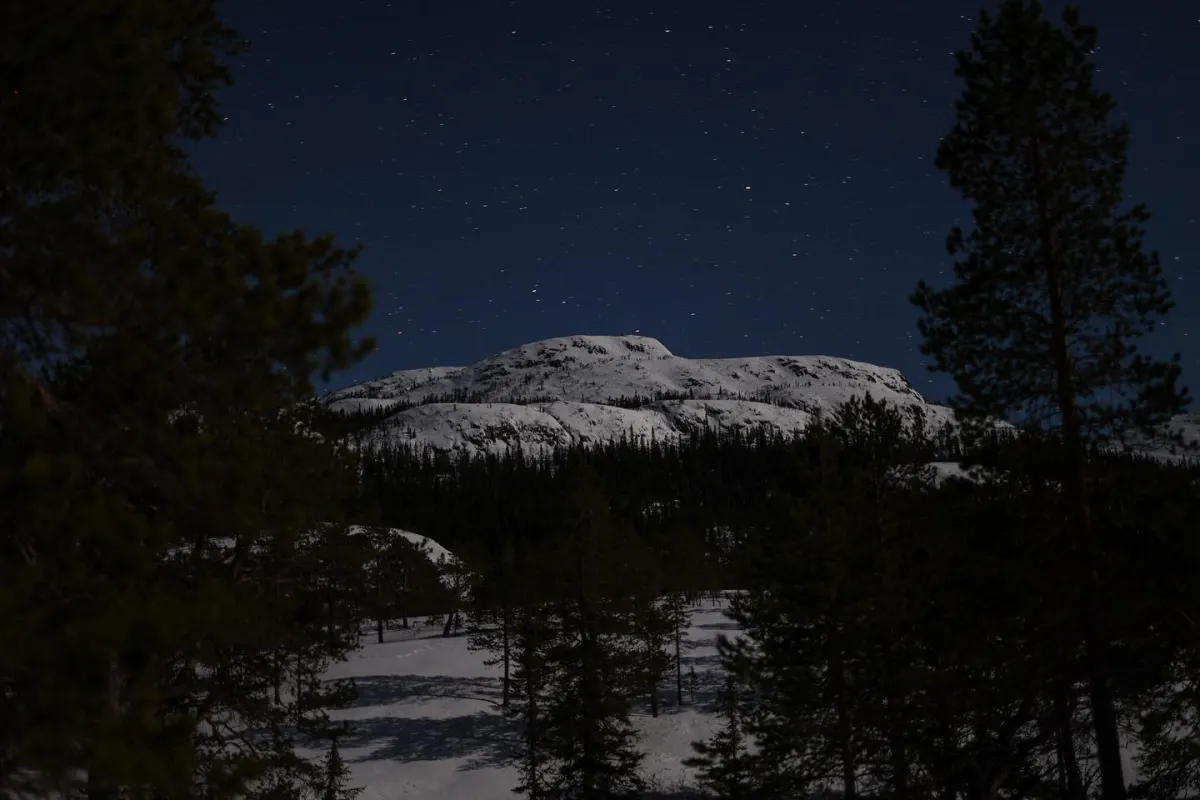
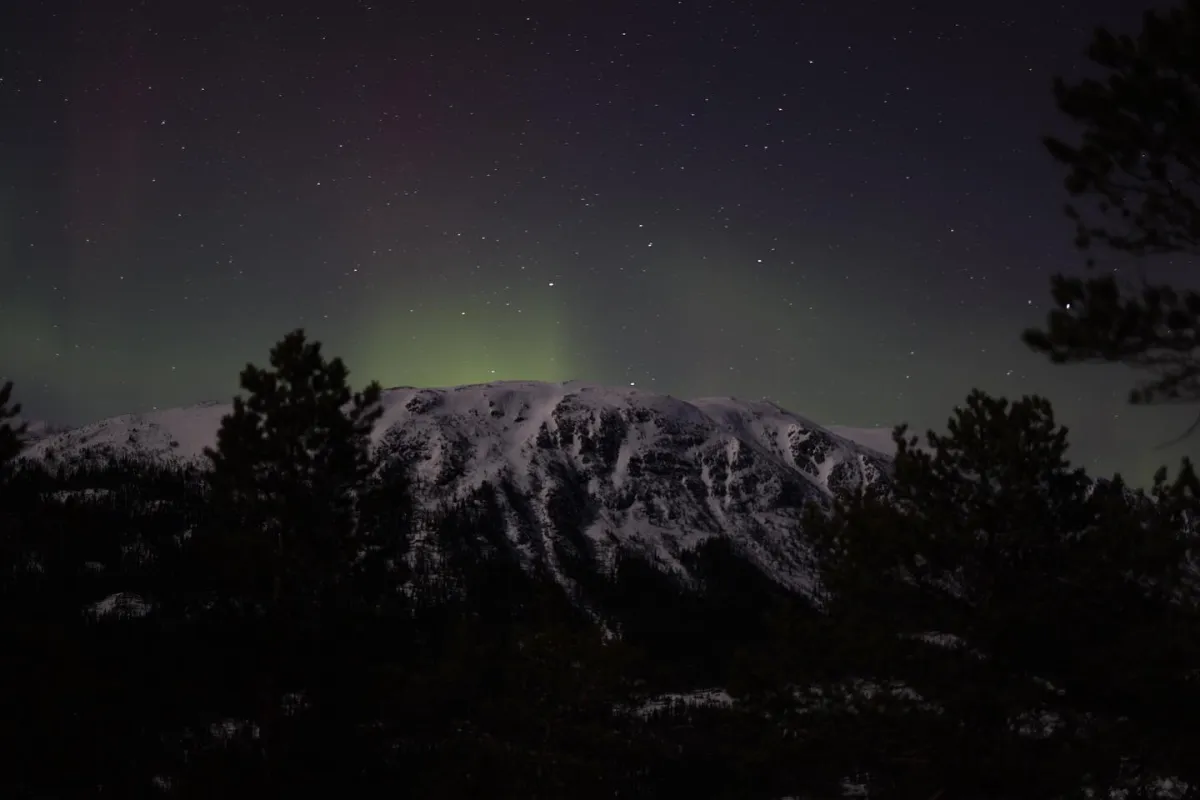

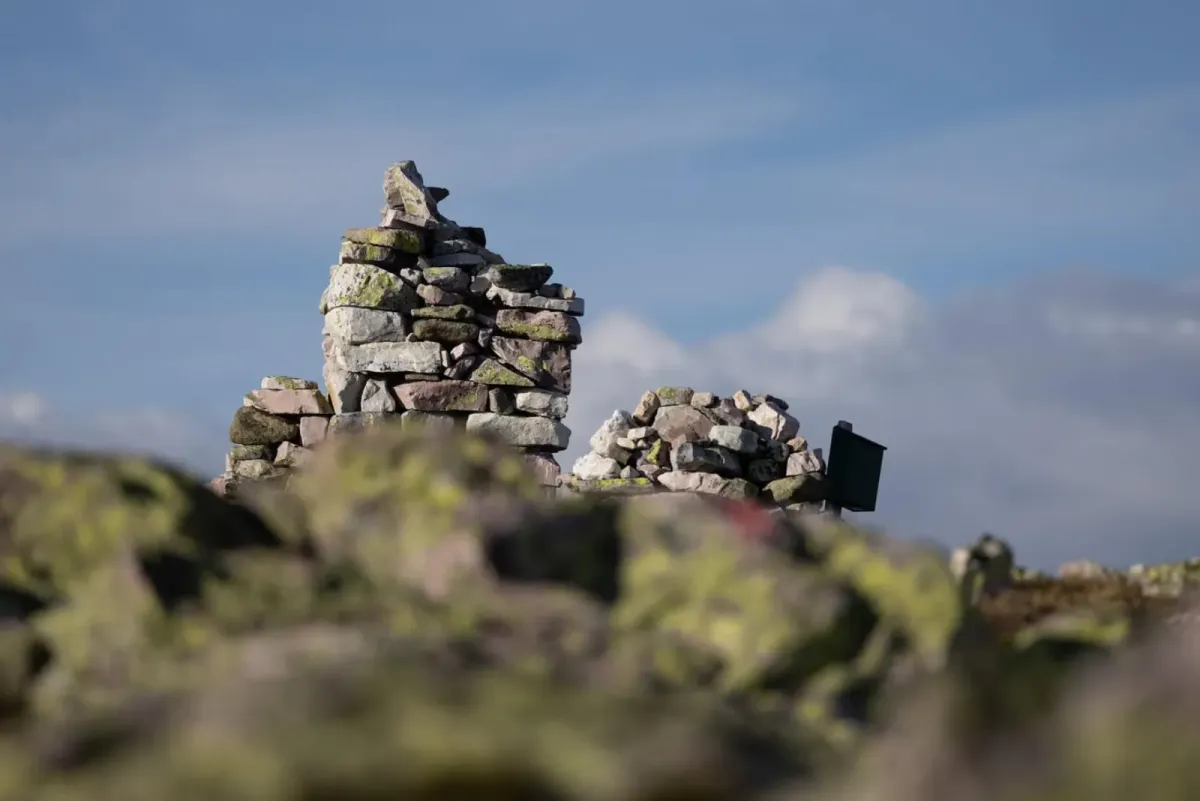
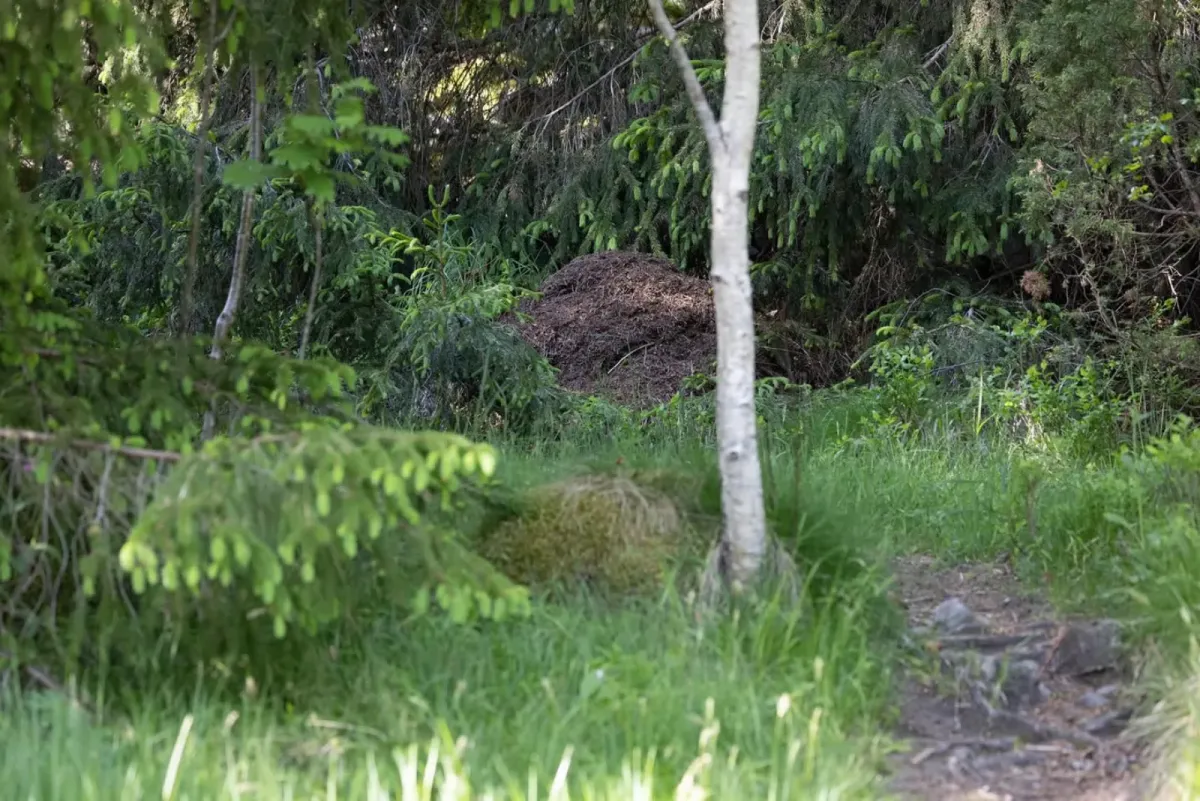

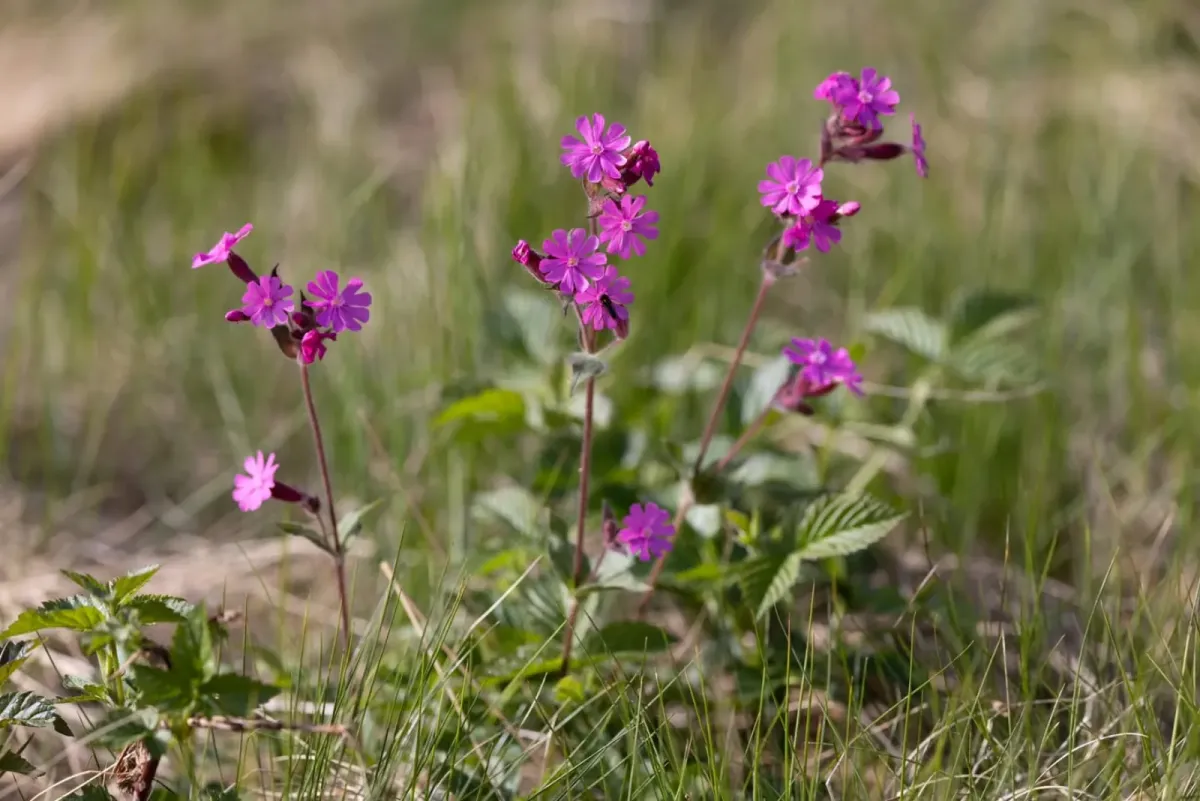
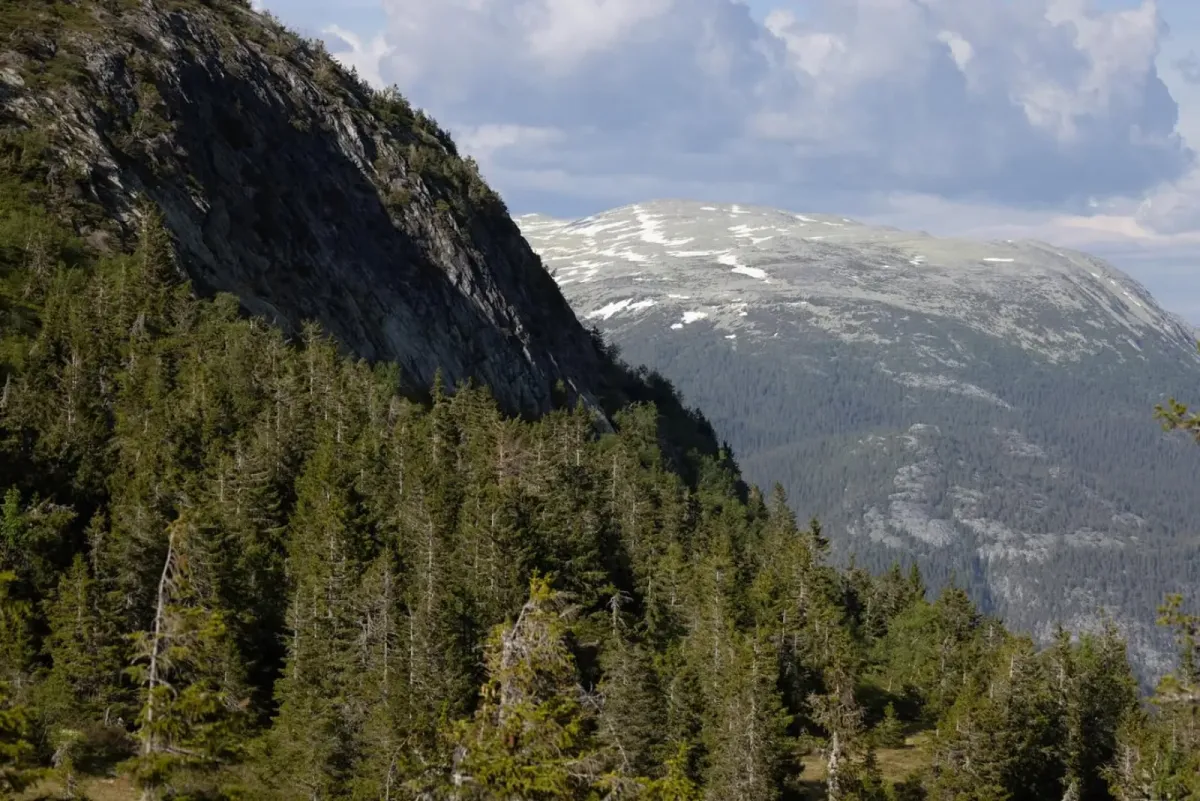
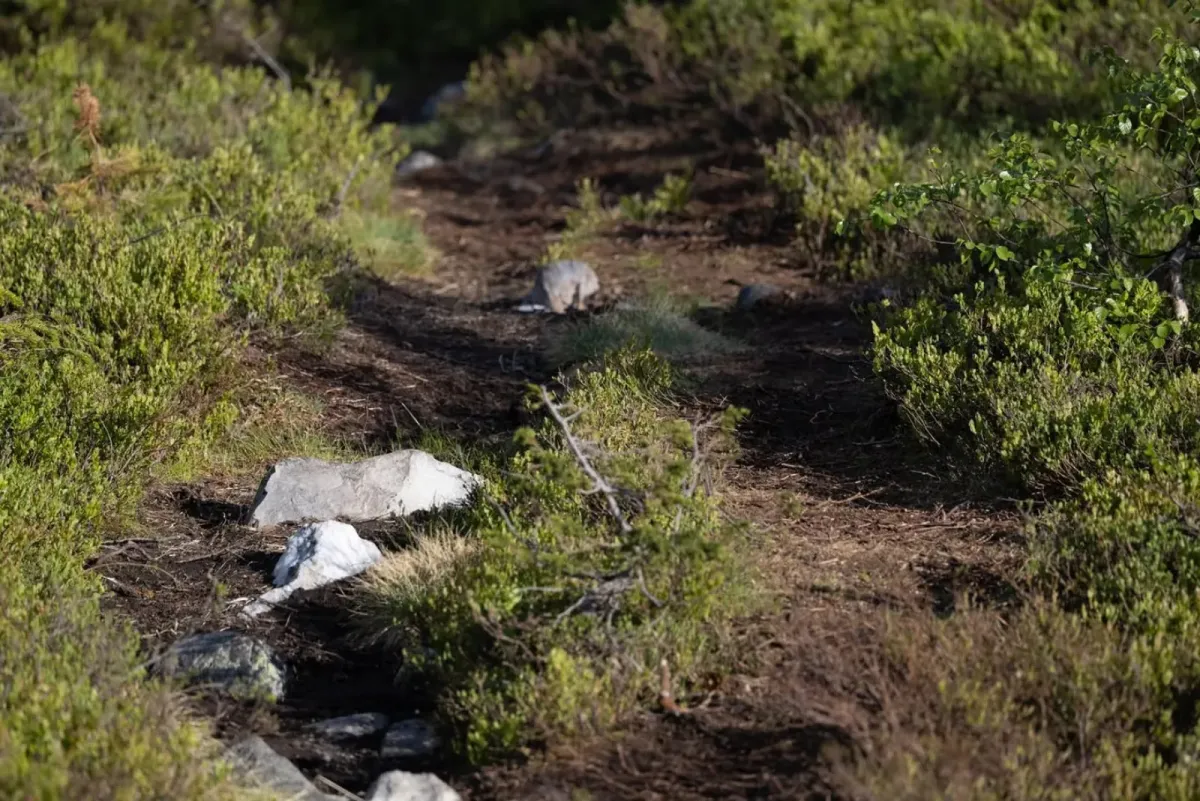
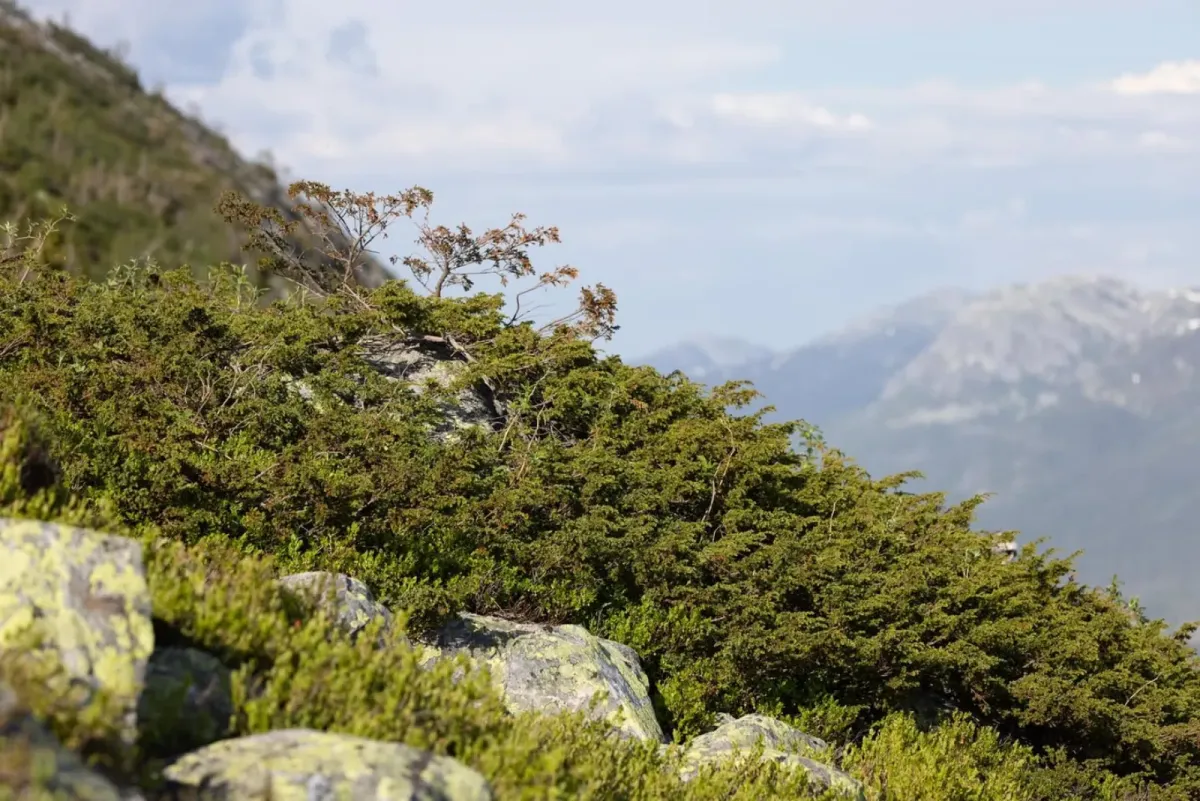
Videos (4)
Gøysen - turen opp
Gøysen - toppen
Nordnibba - toppen
Amerikansk flyvrak
Trail story
«Skorvefjell» av Peder Lindhjem
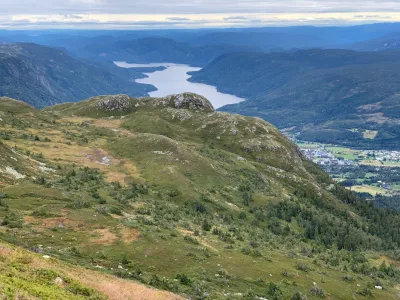
In this area you'll find both great walks and a lot of interesting history. From Seljord town center you drive up Kivledalen, where you can see Kivlemøyane on the mountainside at Skorve. The legend tells of the priest who cast three young girls in stone because they disturbed the mass with song and games. A "lookout" has been set up on the way up, where you can listen to the story and the battle on your mobile.
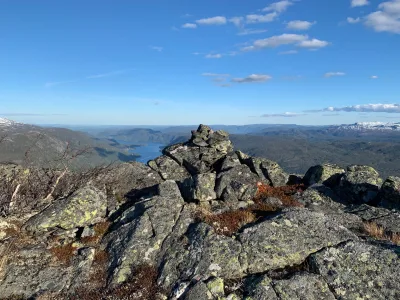
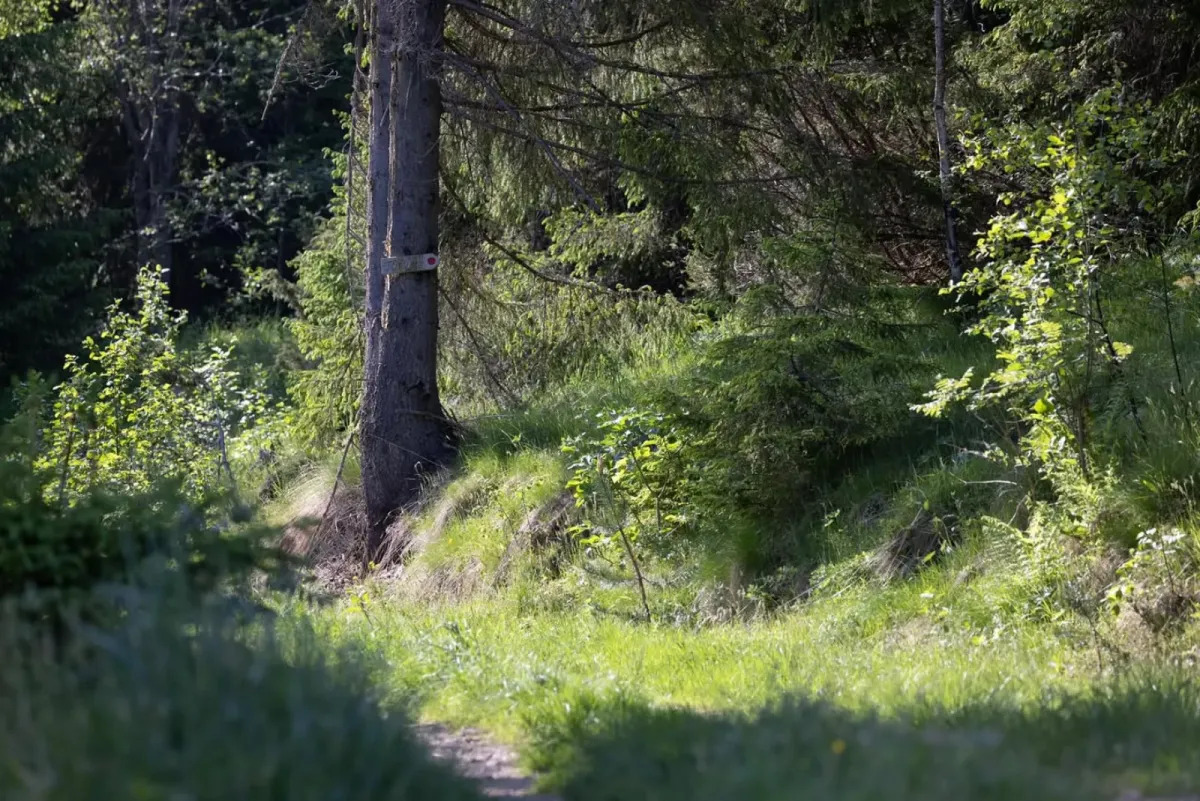
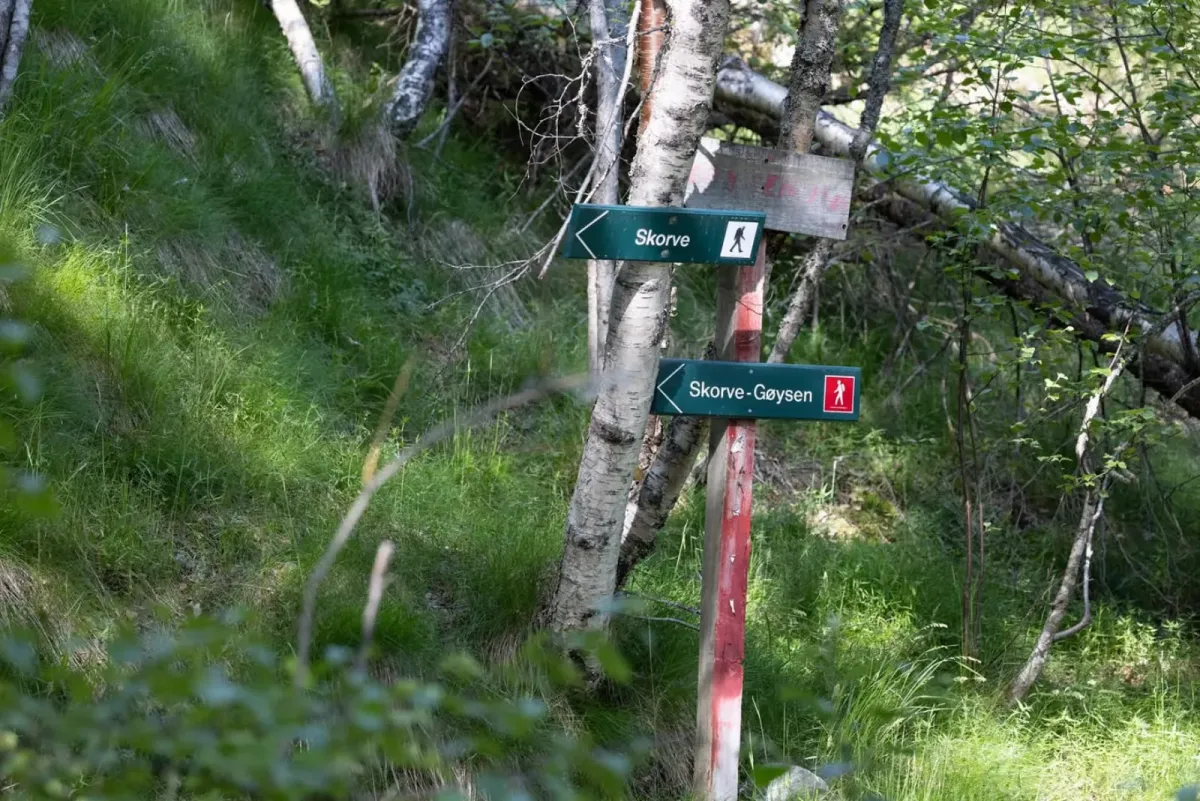
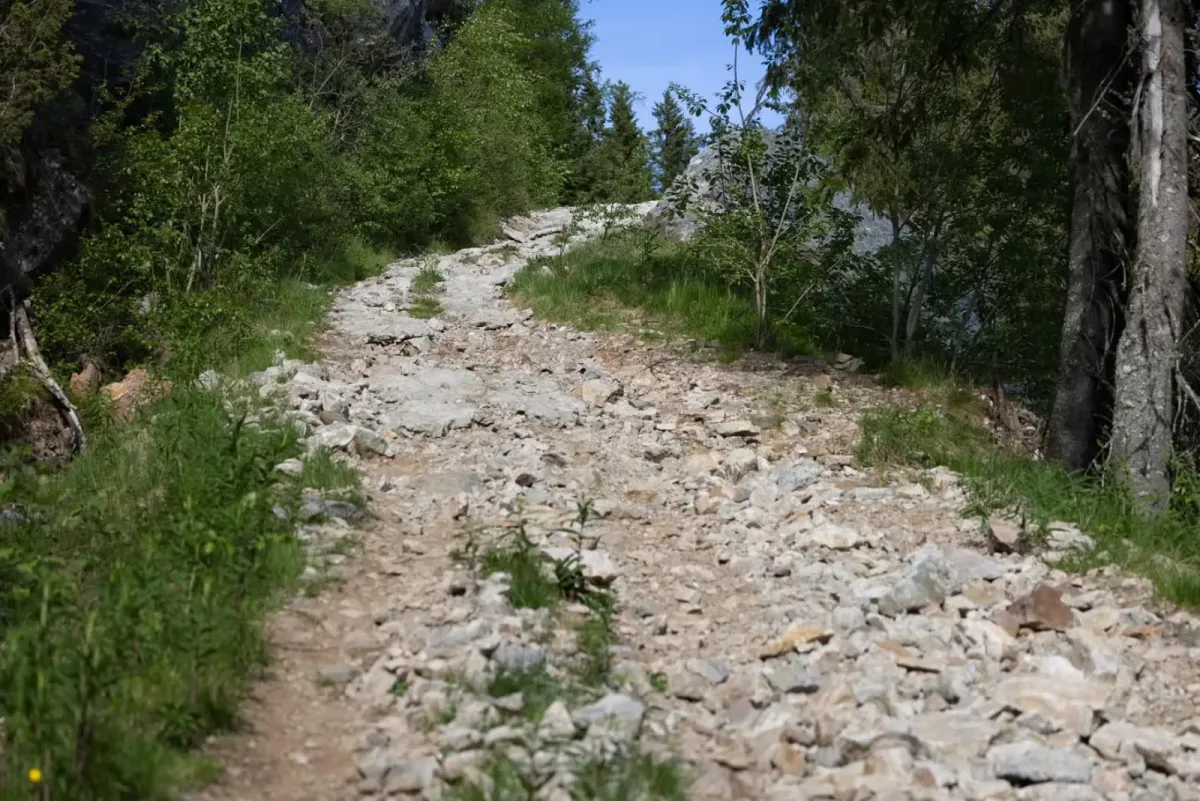
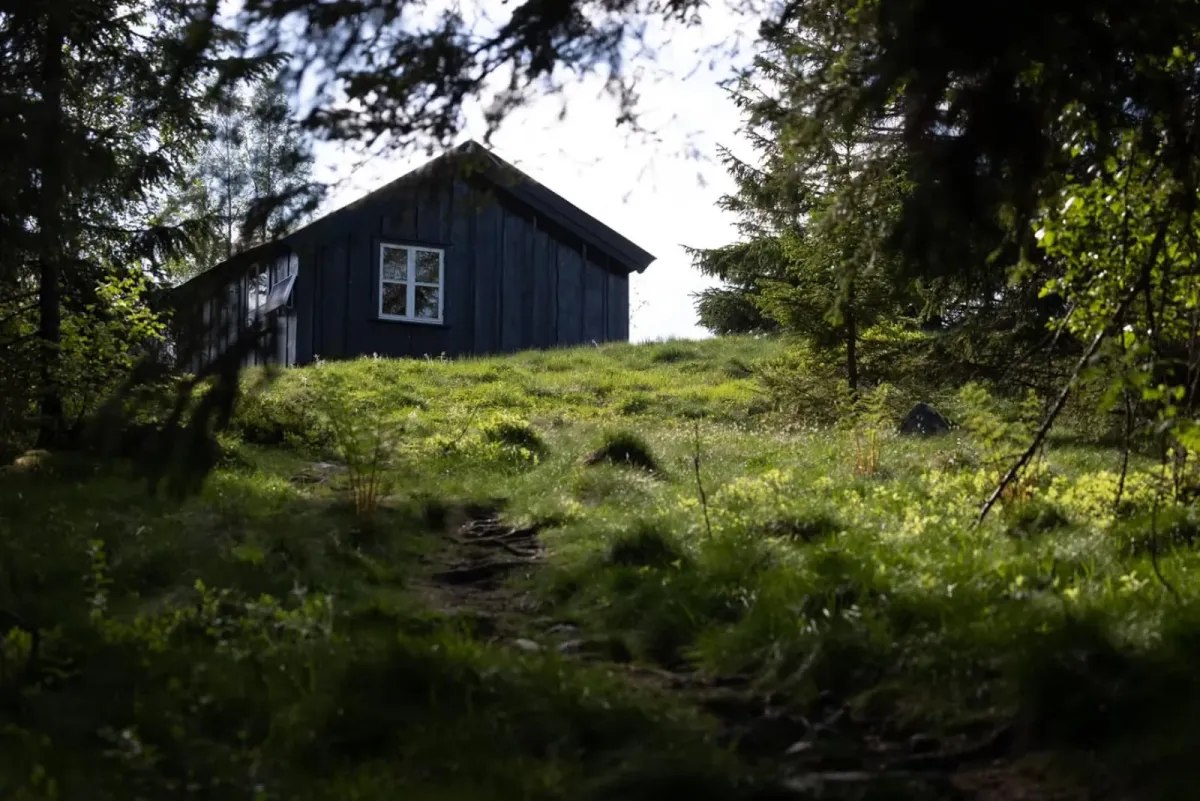
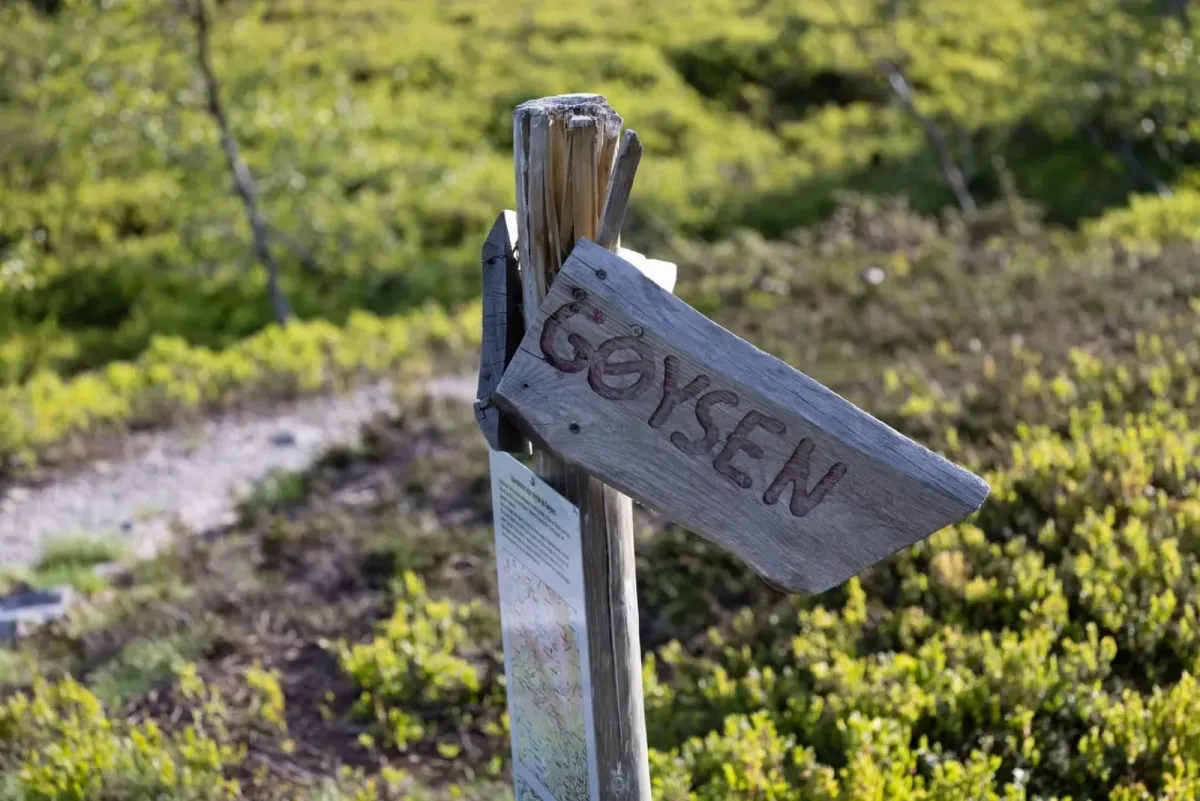
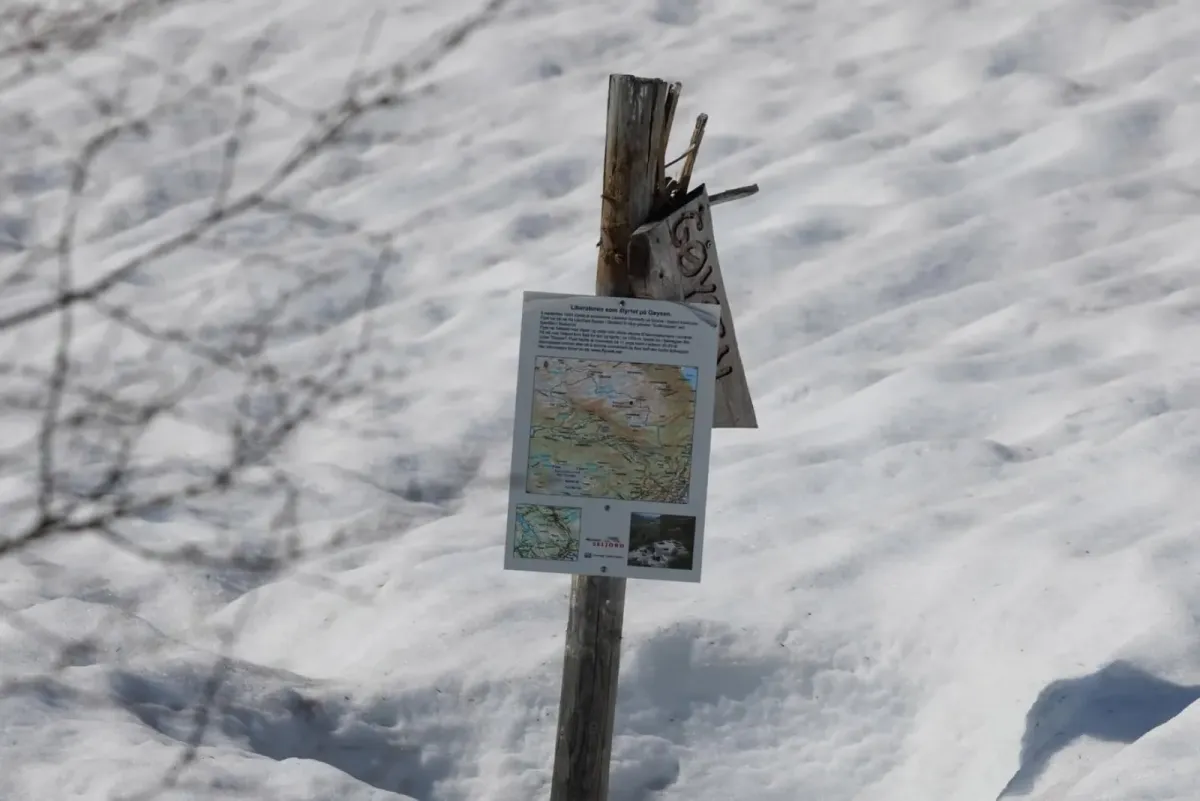
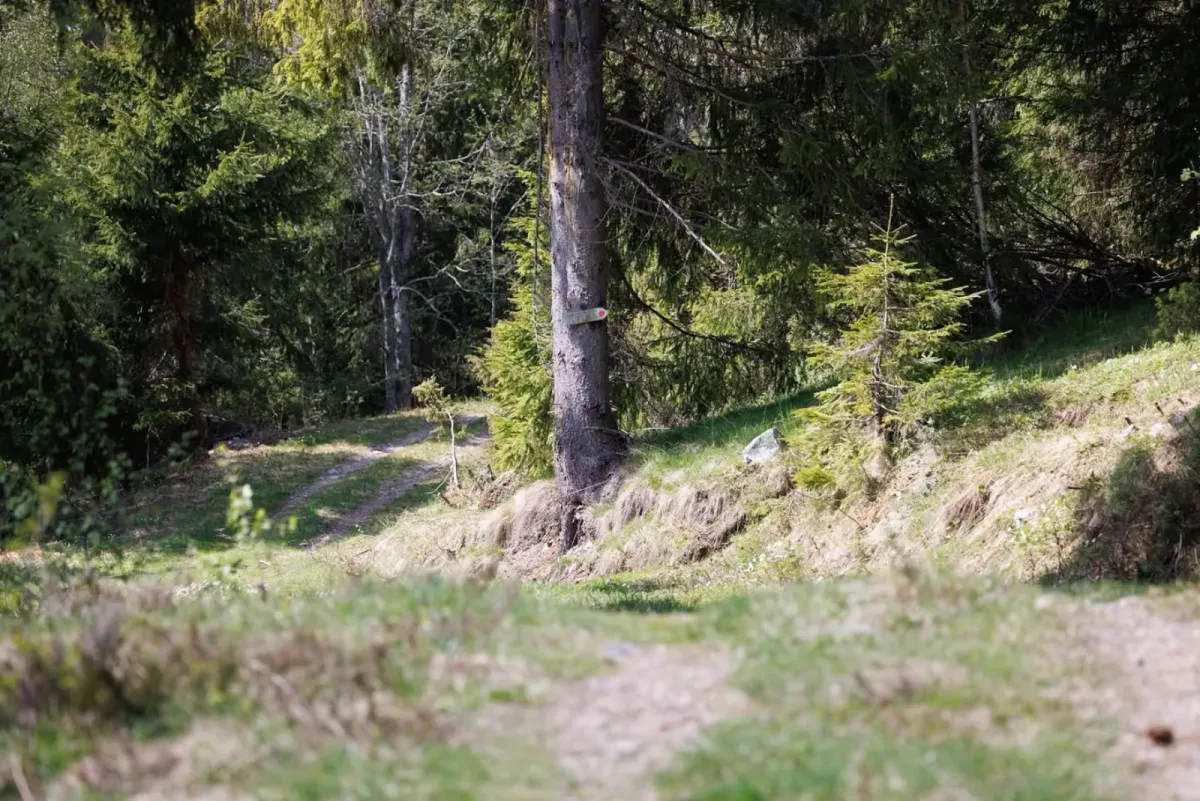
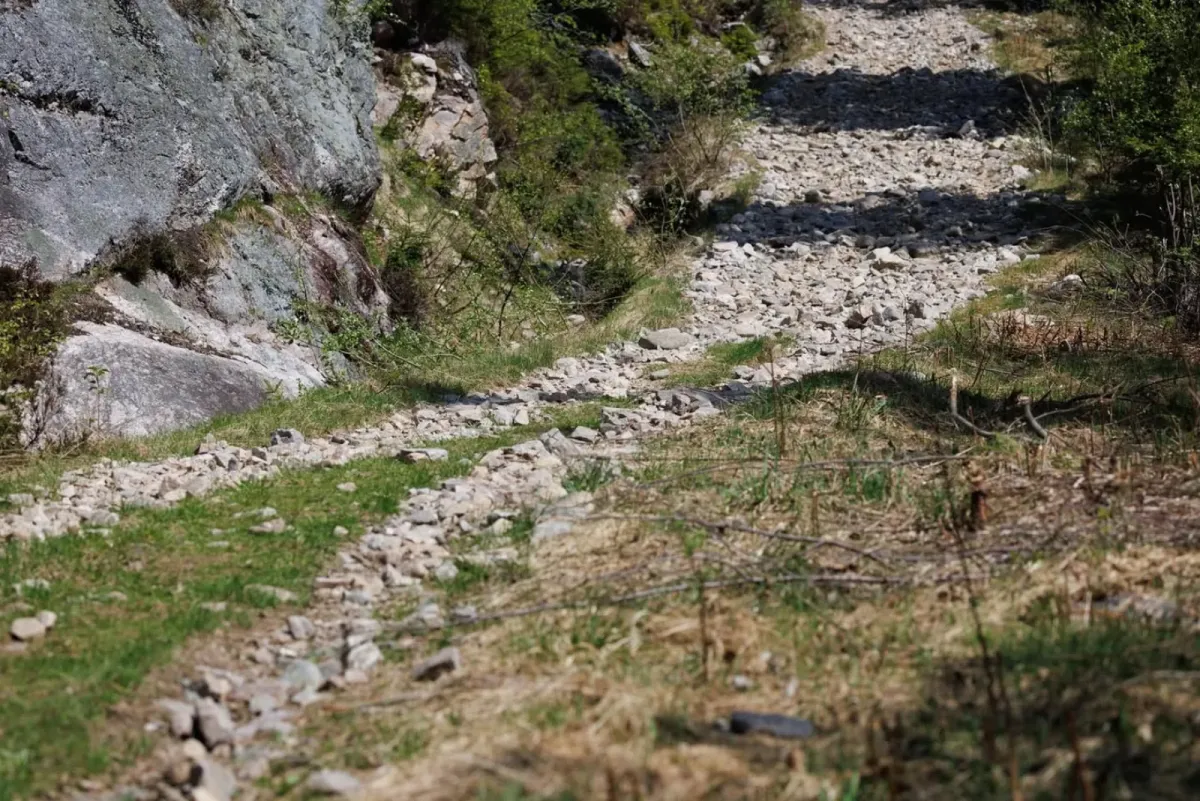
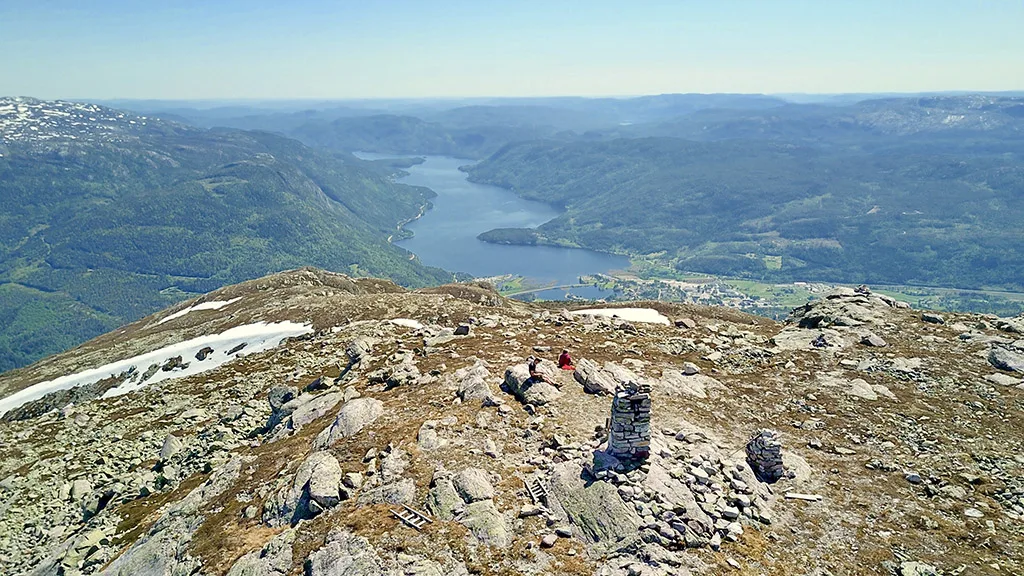
here is a well-marked path to the summit, Gøysen, 1369 meters above sea level. On the way up, you'll pass Karlstaul, an old stable under Venås. The path continues up to Listaul. There is a fork in the road here, with signs to both Gøysen and the airplane wreck (the American one).
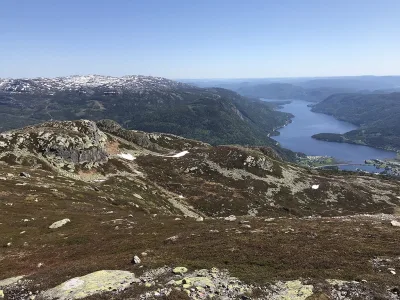
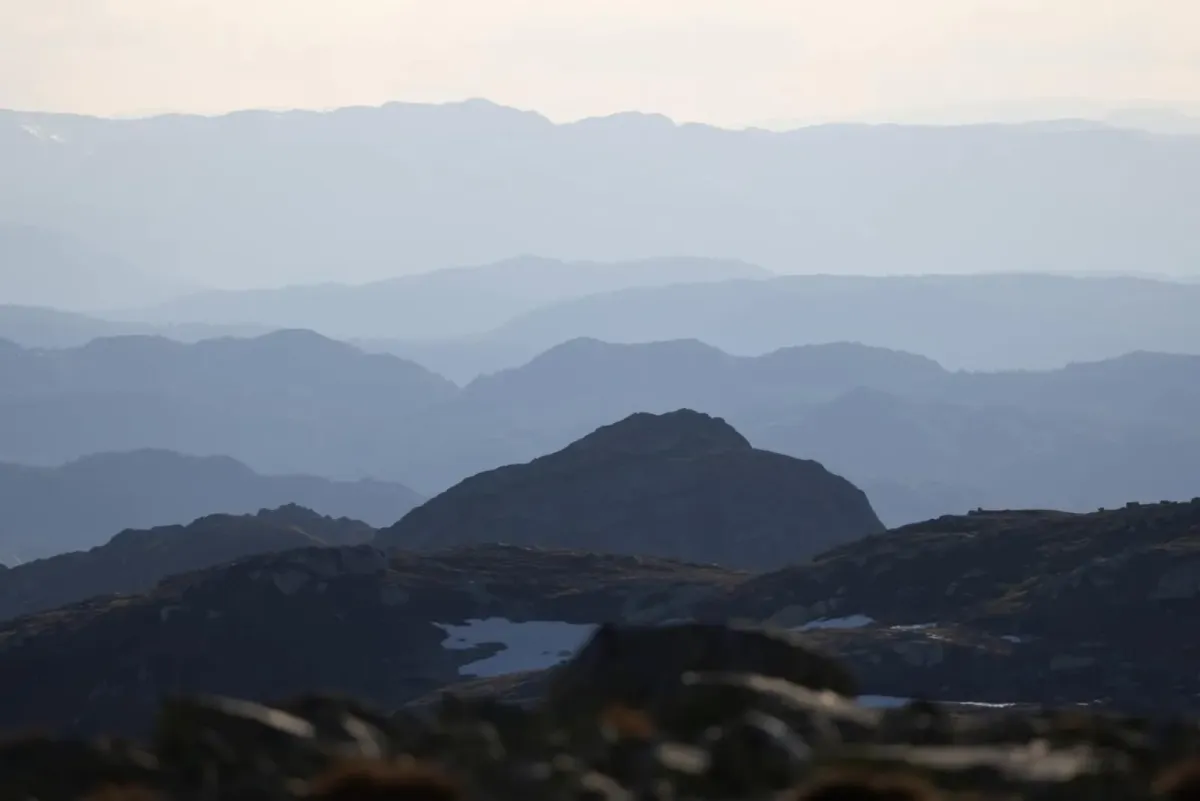
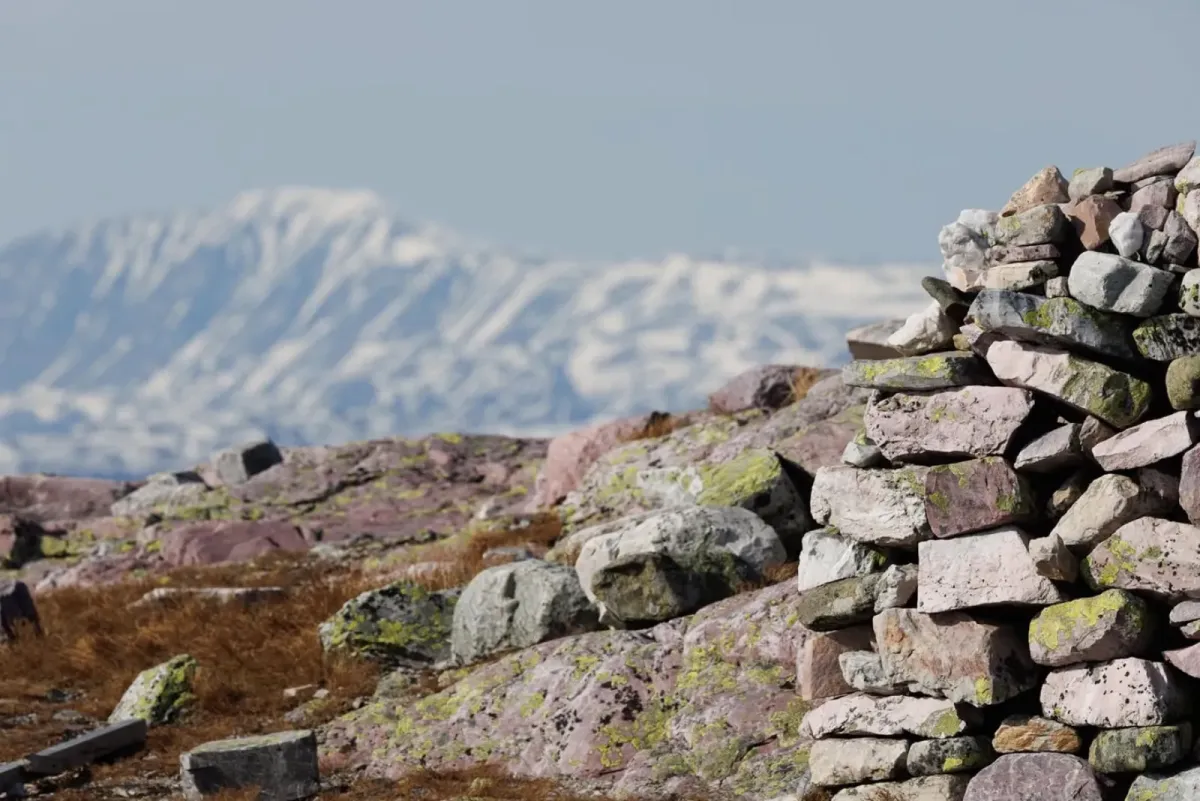
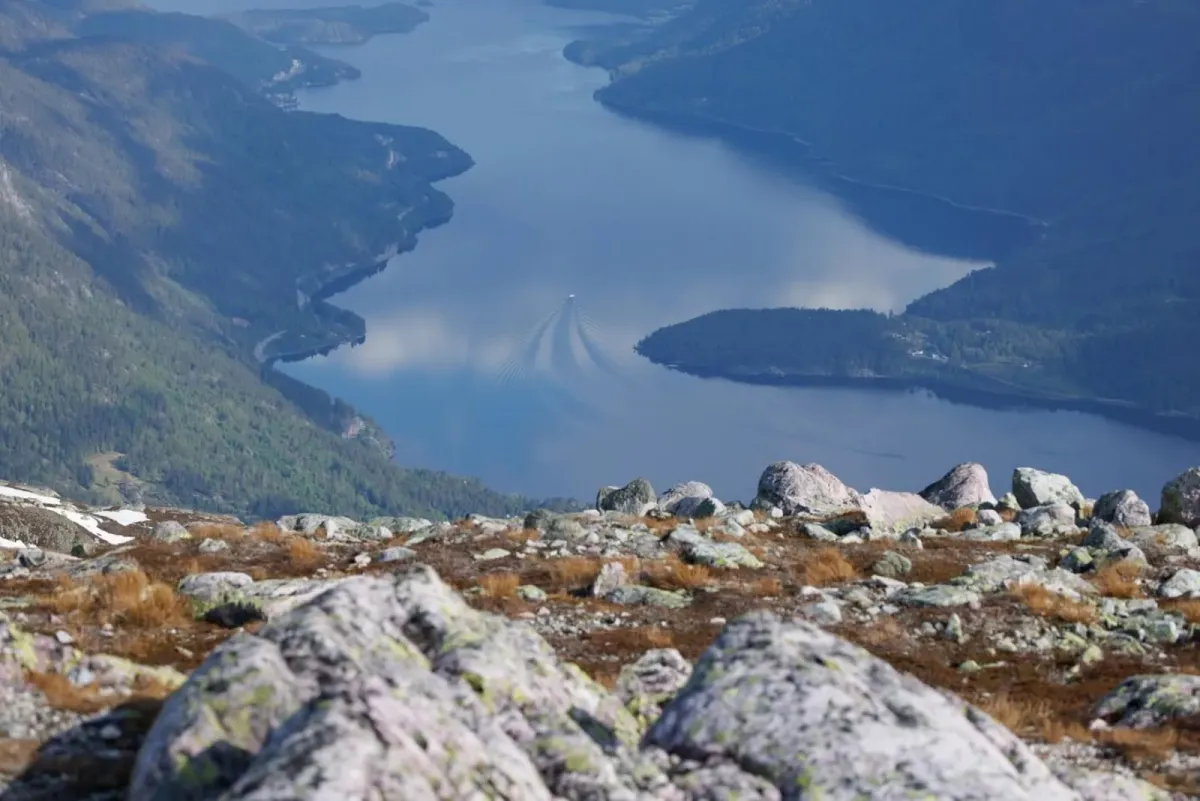
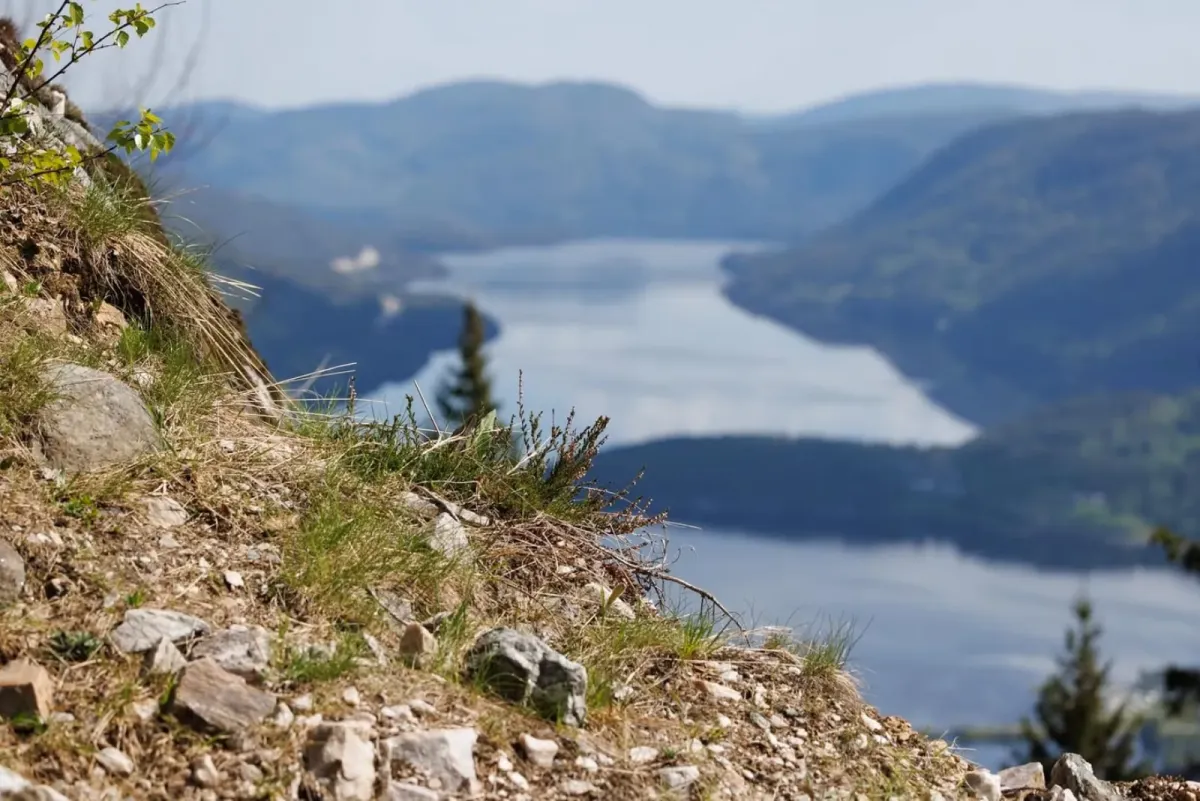
At Gøysen, you have a great panoramic view, including to Gaustatoppen. Here you can write your name in the mailbox. From here it is marked to Nordnibba. It's a nice walk over the "ridge" past Tvitjønnan, down Finndalen, Høna and to Bygdardalen below Sundsbarm.
<b>The plane crashes at Skorve </b>
Seljord was also affected by the German occupation. There were several serious episodes, including roll-ups and arrests, but in retrospect, the plane crashes at Skorve will probably be remembered as the most dramatic.
The first accident occurred on September 9, 1944. At the British RAF base at Leuchars, north of Edinburgh, a B-24 Liberator bomber took off for Norway. On board was a crew of 11 American soldiers, with John O'Hara, 22 years old, as commander. The plane was loaded with weapons and equipment for the home forces at Hønefoss.
The plane came in low over the North Sea, and at 23:00 it came in over Seljord. It maintained a height of about 1300 meters. At Langfjellhaddin, south of Gøysen, a steep mountain wall rose up. The plane hit the mountain wall with a terrible bang, and the flames flared up from gasoline and oil that caught fire. All the soldiers died on the spot. What was the cause of the crash? No definitive answer has ever been given. Engine failure, instrument failure, technical difficulties or icing have all been mentioned.
A few days later, 11 soldiers were commissioned to bury the Americans. They were laid to rest in a marsh below the crash site. In 1950, the soldiers were buried in a churchyard in St. Louis, Missouri.
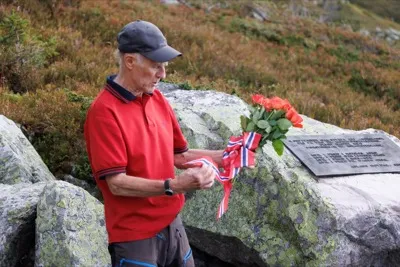
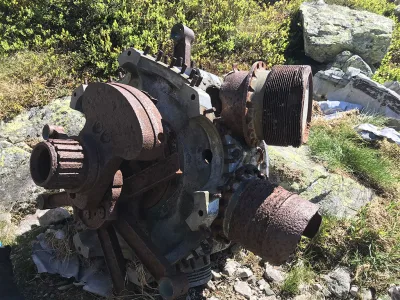
In 1994, 50 years after the accident, a memorial plaque was erected in the marsh where the plane crashed. At the same time, a memorial made by Ellen Grøstad was unveiled outside Granvin Kulturhus. It bears the names and ages of those who died. The remains of the plane can still be seen in the mud.
There was to be more drama at Skorve. On October 16, 1944, a German plane crashed at Hestnutan further into the mountains. All on board, 13 Germans and two Norwegians, died. The plane was en route from Berlin to Oslo. The aircraft was a Ju-52, and was named Herman Stache in memory of an aircraft captain who fell in 1940. The two Norwegians were Milli Holthe, 34, a nurse from Levanger, and Kjell Andreas Marthinsen, 20. He was a front-line fighter, had been wounded and was on his way home. His father was Karl A. Marthinsen, head of the State Police. He was liquidated by the Home Front in February 1945.
The plane was due to land at Fornebu, but went completely off course. From the northeast, the plane hit Hestnutan, about 1270 meters above sea level. Large parts of the fuselage and those on board were thrown a good distance away. Parts of the wreckage remained in a small lake under the summit. It took three days before the plane was located.
From Flatdal, 25 villagers were ordered to the mountains together with a group of Germans to bring down the dead. It was a hard slog down the steep slopes. It was slippery and darkness fell. Front fighter Kjell A. Marthinsen was buried at Vestre Gravlund in Oslo with full military honors. The Germans were buried at Ekeberg war cemetery. The urn of Milli Holthe was laid to rest at Levanger churchyard.
In 2011, Seljord Sogelag set up an information board at Hestnutan where the plane crashed, in collaboration with the German Embassy. There is a marked path from Manndal to Hestnutan, where you can still see the remains of the plane wreckage. It's a nice walk past Damtjønn, Jaspisfjellet, Bøkretjønn up to the plane wreckage.
Practical info
- Direction
- rundtur
- Season
- Summer
- Trail quality
- 3/5
- Solitude
- 4/5
Got any good trail tips?
Telemark
fintur.no